Celebrating over 70 years in business!
-
PO Box 71, Mechanicville, NY 12118
40 N. Central Ave., Mechanicville, NY 12118

As temperatures drop across Mechanicville, Stillwater, Saratoga County, and the Capital Region, homeowners are turning on furnaces, bringing out space heaters, and preparing fireplaces and wood stoves for another heating season.
Fall is the perfect time to make sure your home’s heating systems are ready to operate safely. According to the National Fire Protection Association (NFPA), heating equipment is involved in about 1 in 6 home fires and 1 in 5 home fire deaths. NFPA data also shows that approximately half of home heating fires occur during December, January, and February. (NFPA)
A few simple precautions now can help reduce the risk of fire and carbon monoxide exposure while keeping your family comfortable throughout the colder months.
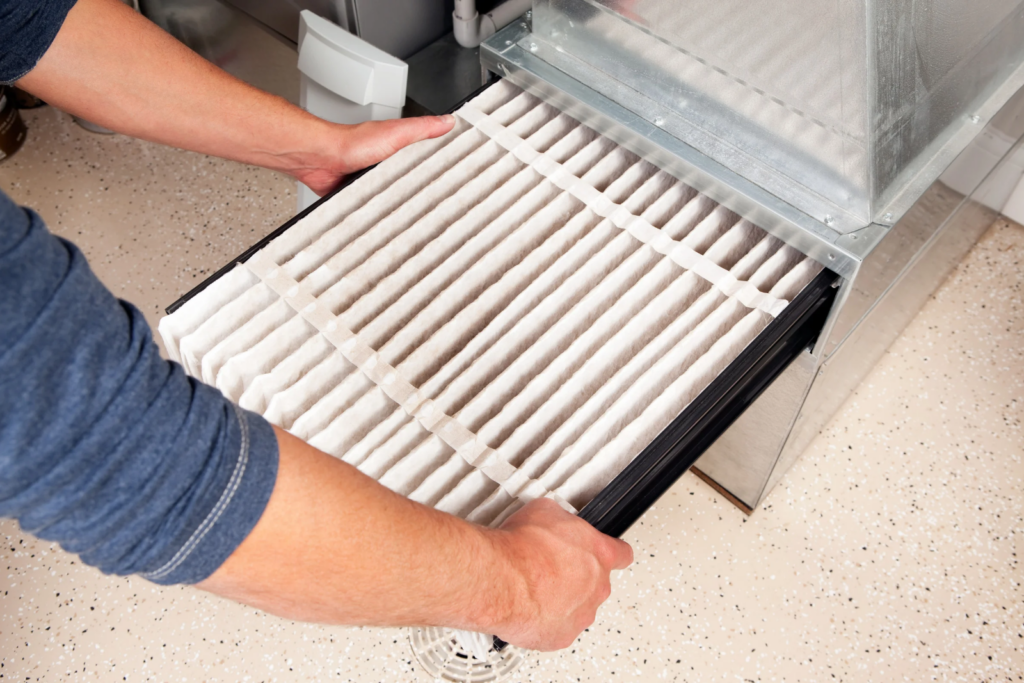
1. Have Your Heating System Professionally Inspected
Before turning on your furnace, boiler, or other fuel-burning heating equipment for the season, consider having it inspected and serviced by a qualified professional.
The U.S. Consumer Product Safety Commission (CPSC) recommends having fuel-burning heating systems, including furnaces, boilers, fireplaces, wood stoves, chimneys, flues, and vents, professionally inspected each year. (U.S. Consumer Product Safety Commission)
An inspection can help identify problems before they become dangerous and may also help your heating system operate more efficiently.
Homeowner tip: Don’t ignore unusual noises, odors, poor performance, or other changes in how your heating system operates. Contact a qualified professional if something doesn’t seem right.
2. Follow the 3-Foot Rule for Space Heaters
Portable space heaters can provide convenient supplemental heat, but they need plenty of space around them.
The CPSC estimates that portable heaters were involved in an average of 1,600 fires per year, resulting in approximately 70 deaths and 150 injuries annually from 2020 through 2022. (U.S. Consumer Product Safety Commission)
When using a space heater:
- Keep the heater at least three feet away from anything that can burn, including curtains, bedding, furniture, clothing, and other combustible materials.
- Place the heater on a stable, level surface where it cannot easily be knocked over.
- Keep children and pets away from the heater.
- Never leave a portable heater operating while you are sleeping or when it is unattended.
- Follow all manufacturer instructions.
The CPSC also recommends choosing heaters with safety features such as automatic shutoff if the unit tips over.
3. Plug Space Heaters Directly Into a Wall Outlet
One of the most important space heater safety rules is also one of the easiest to overlook.
Plug electric space heaters directly into a wall outlet. Never use an extension cord or power strip.
Space heaters are high-wattage appliances, and overloading electrical equipment can create a fire hazard. The CPSC specifically recommends plugging electric space heaters directly into a wall outlet and never into an extension cord or power strip. (U.S. Consumer Product Safety Commission)
Before using your heater, inspect the cord and plug for damage. If the cord or plug becomes unusually hot, stop using the heater and have it evaluated by a qualified professional. (U.S. Consumer Product Safety Commission)
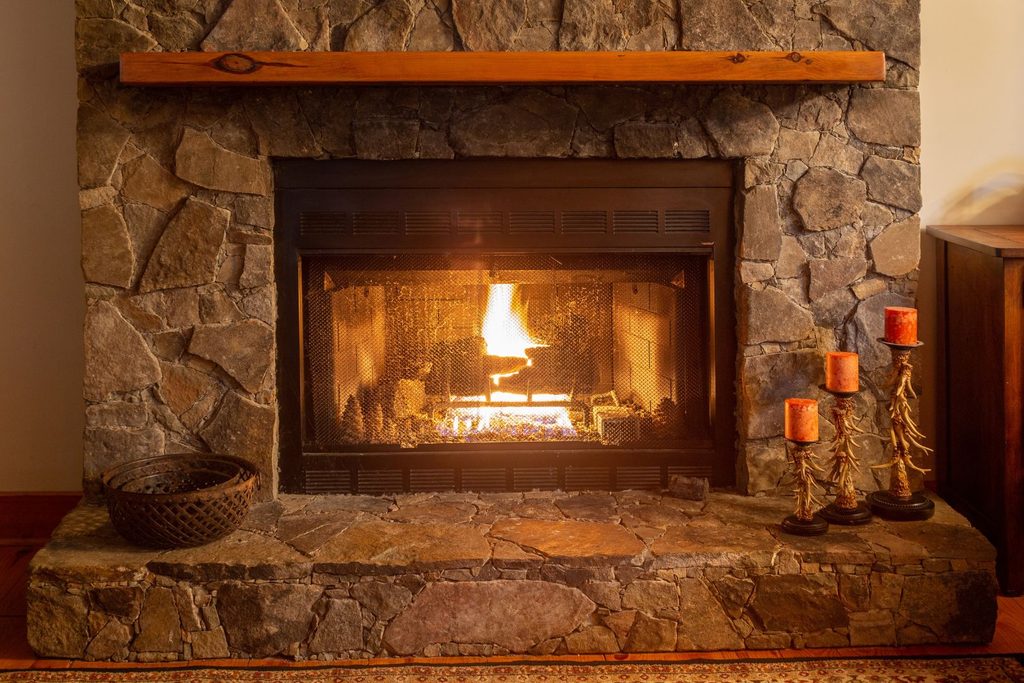
4. Prepare Your Fireplace, Wood Stove and Chimney
If you have a wood-burning fireplace or stove, fall is the time to make sure it is ready for the heating season.
NFPA recommends having chimneys and vents cleaned and inspected by a qualified professional every year. (NFPA)
Creosote, a combustible deposit that can build up inside chimneys and flues when wood is burned, can contribute to chimney fires. Regular inspection and cleaning can help reduce that risk.
Also remember to:
- Use a sturdy fireplace screen to help prevent sparks and embers from escaping.
- Never leave a fire unattended.
- Allow ashes to cool completely before removing them.
- Place cooled ashes in a covered metal container.
- Keep the ash container outside and at least 10 feet away from your home and other nearby buildings, as recommended by NFPA. (NFPA)
- Burn only the type of fuel recommended for your fireplace or wood stove.
5. Test Your Smoke and Carbon Monoxide Alarms
Your smoke and carbon monoxide alarms are among the most important safety devices in your home.
NFPA recommends installing smoke alarms:
- Inside every bedroom
- Outside each sleeping area
- On every level of the home, including the basement
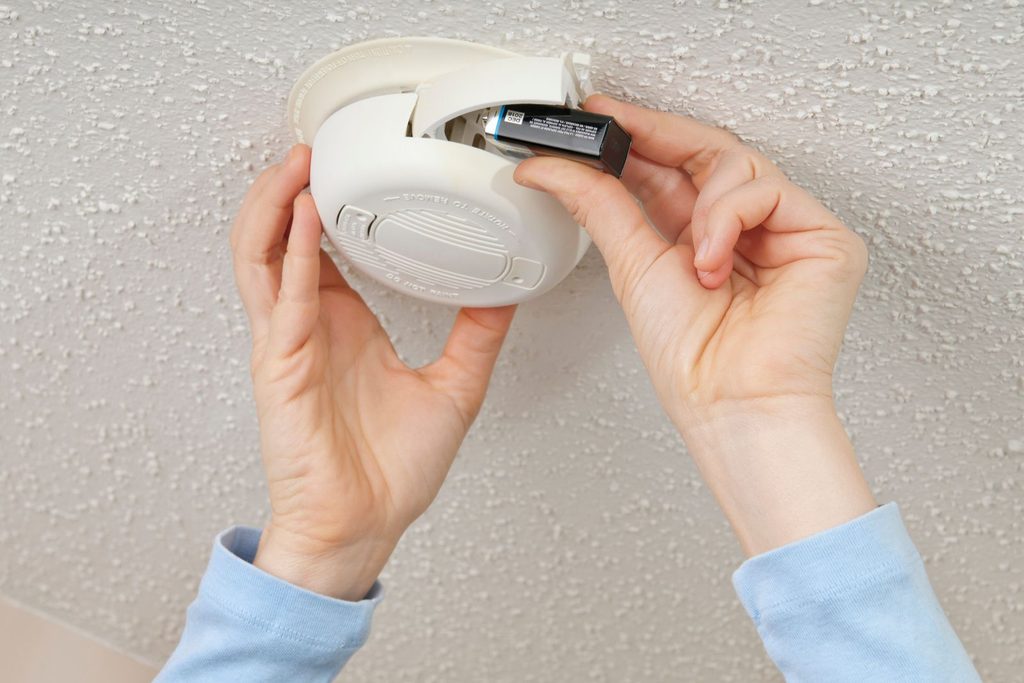
Test smoke alarms at least once a month and replace smoke alarms when they reach the end of their service life, generally 10 years unless the manufacturer specifies otherwise. (NFPA)
Carbon monoxide (CO) is an invisible, odorless gas that can be produced by fuel-burning appliances and heating equipment. NFPA recommends installing CO alarms outside each separate sleeping area and on every level of the home, following applicable local requirements and manufacturer instructions. (NFPA)
Test your smoke and CO alarms regularly, and make sure everyone in your household knows what to do if an alarm sounds.
6. Keep Heating Equipment and Vents Clear
Don’t allow furniture, boxes, clothing, curtains, or other combustible materials to accumulate around furnaces, radiators, fireplaces, or other heat sources.
NFPA recommends keeping anything that can burn at least three feet away from heat sources, including fireplaces, wood stoves, radiators, and space heaters. (NFPA)
If your home uses a fuel-burning furnace or appliance with an exterior exhaust vent, make sure the vent remains clear of leaves, snow, ice, and other debris. Blocked vents can create dangerous conditions, including the potential for carbon monoxide to enter the home.
Home Heating Safety Checklist
| Heating Equipment | Safety Step | What to Avoid |
|---|---|---|
| Furnace or Boiler | Schedule an annual professional inspection | Ignoring unusual noises, odors, or performance problems |
| Space Heater | Keep at least 3 feet from combustible materials | Using extension cords or power strips |
| Fireplace or Wood Stove | Have the chimney and vents inspected and cleaned annually | Leaving fires or embers unattended |
| Fuel-Burning Equipment | Install and test CO alarms | Operating equipment with blocked vents |
| Smoke Alarms | Test monthly and replace when necessary | Ignoring a malfunctioning alarm |
Review Your Homeowners Insurance This Fall
Fall home maintenance is also a good opportunity to review your homeowners insurance coverage.
A standard homeowners policy generally provides coverage for many types of fire damage, but policies differ in their exclusions, limits, deductibles, and conditions. Routine maintenance and wear and tear are generally not covered. (Triple-I)
If you’ve made improvements to your home, purchased valuable belongings, installed a new heating system, or made other significant changes since your last insurance review, contact your insurance agent to make sure your coverage still fits your needs. The Insurance Information Institute recommends reviewing your policy after major home improvements and other significant changes. (Triple-I)
Stay Safe and Warm This Fall
Preparing your heating system before the first cold snap can help reduce the risk of fire, carbon monoxide exposure, and other heating-related hazards. A professional inspection, properly maintained equipment, working alarms, and safe space heater practices can all make your home safer during the colder months.
And while safety comes first, don’t forget about your homeowners insurance. At The Connors Agency, we help homeowners in Mechanicville, Stillwater, Saratoga County, and throughout the Capital Region understand their coverage and make sure their insurance keeps pace with their needs.
Have questions about your homeowners insurance? Contact The Connors Agency to review your coverage before heating season gets underway.
Sources
- National Fire Protection Association, Home Heating Fire Safety and Statistics (NFPA)
- U.S. Consumer Product Safety Commission, Heating Safety Tips (U.S. Consumer Product Safety Commission)
- National Fire Protection Association, Smoke and Carbon Monoxide Alarm Guidance (NFPA Catalog)
- Insurance Information Institute, Homeowners Insurance Coverage and Maintenance (Triple-I)
Want to compare your options?
Click the button below to head to our quotes page where you can enter some basic information to have our team help you with your insurance, or you call us at (518) 664-7307 to receive a quote.